Loop Furnish
Designing a Circular Furniture Experience Using Material Design Principles
Category
UI/UX DESIGN
Product Duration
1 Week
Introduction
Furniture consumption today follows a linear model — buy, use, discard. This results in massive waste, low awareness of reuse, and a growing environmental impact. While sustainable alternatives exist, they often feel confusing, unreliable, or inaccessible to users.
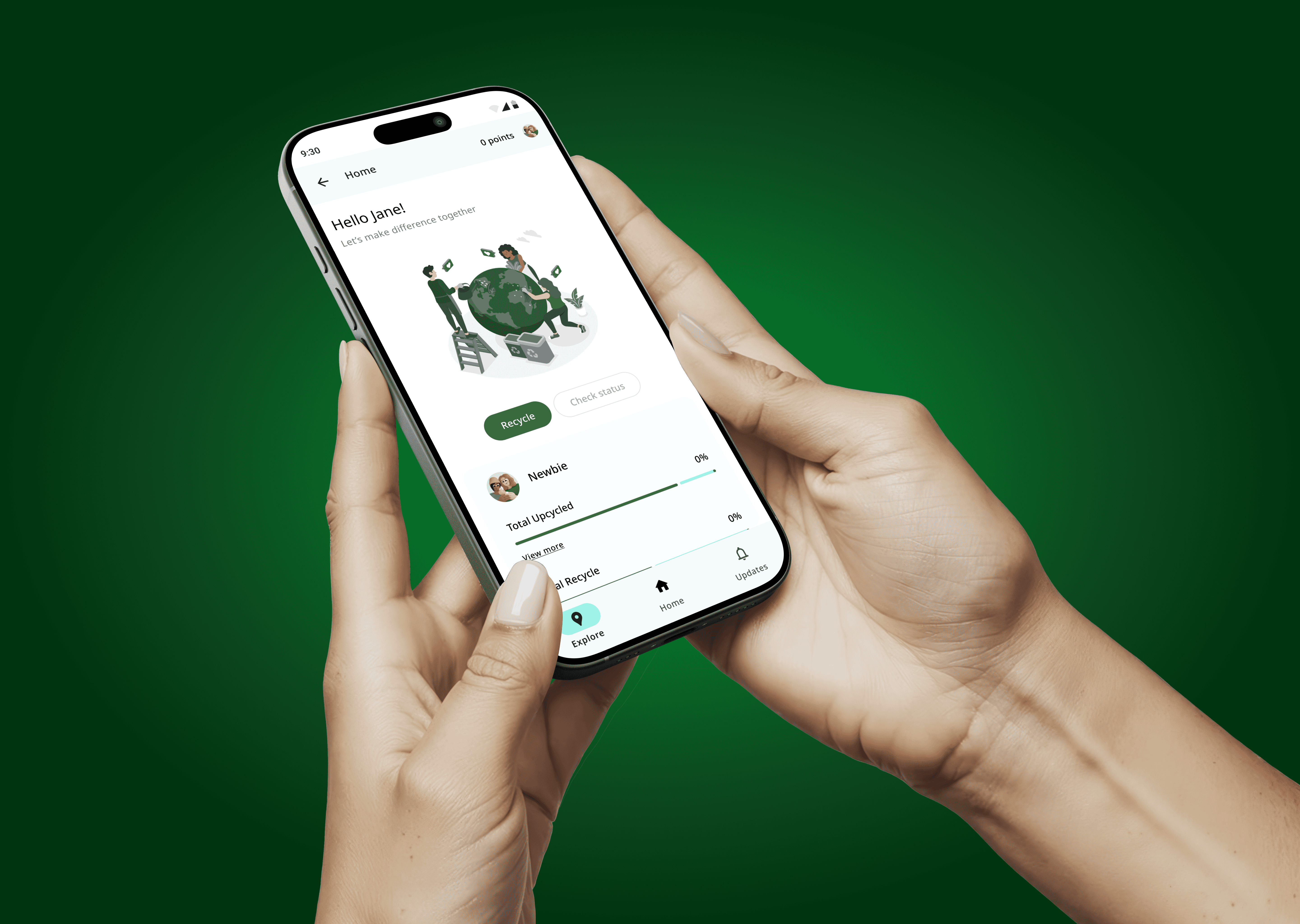
Loop Furnish is a conceptual UX project that explores how design can enable a circular furniture economy by making reuse, refurbishment, and recycling easy to understand and easy to trust.
This project allowed me to demonstrate my skills in UX storytelling, system thinking, information architecture, and Material Design–based UI structure.
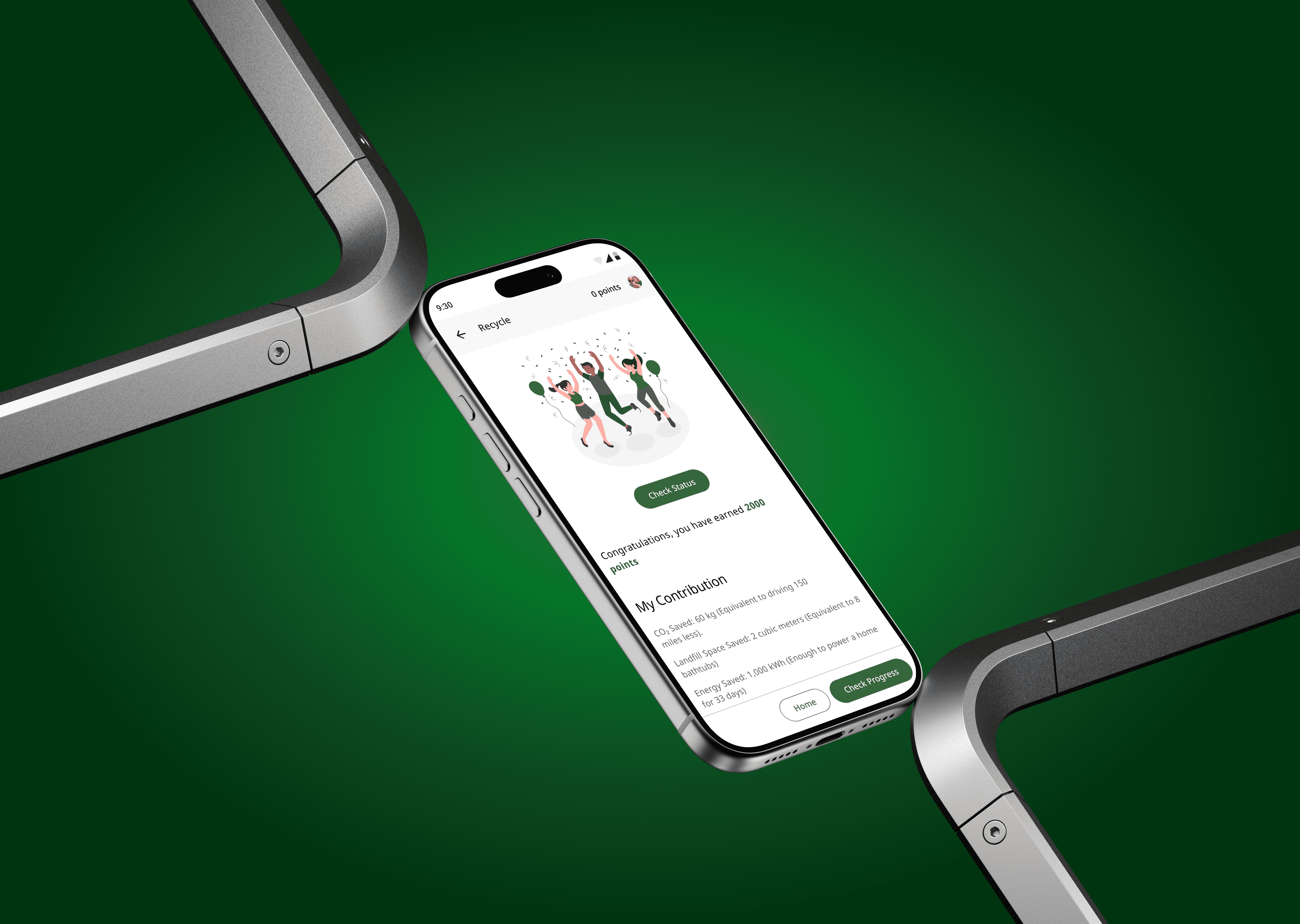
The Problem
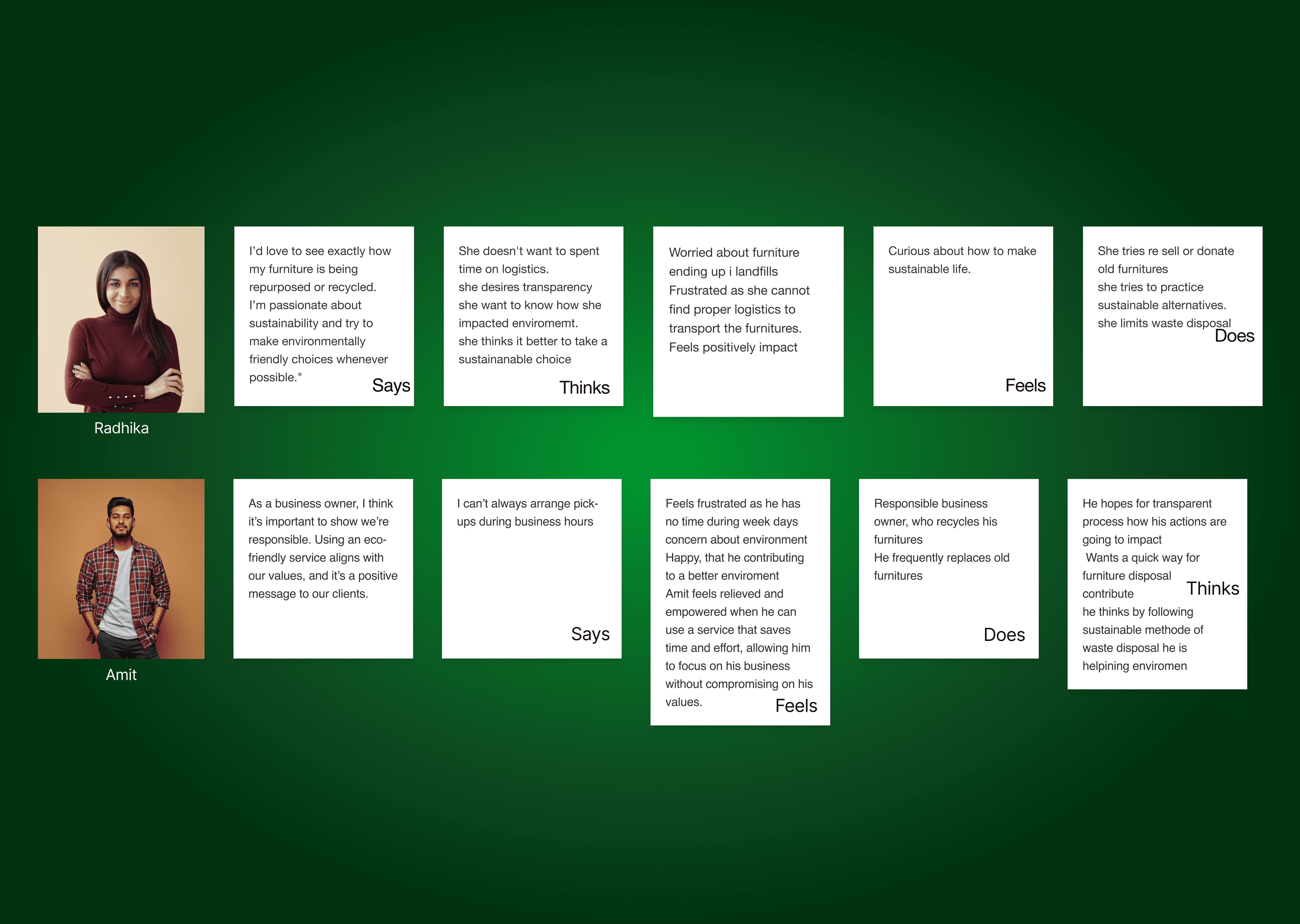
Users want to make sustainable choices, but they face three key barriers:
Lack of clarity on what happens to furniture after disposal
Low trust in refurbished or reused furniture
Perception that sustainable options are inconvenient or premium-only
From a UX perspective, the challenge was not just to design screens — it was to design understanding and confidence.
Design Goal
The core goal of Loop Furnish was to create an experience that:
Clearly explains the circular lifecycle of furniture
Builds trust through transparency and structure
Feels modern, calm, and credible
Scales easily as a system, not just a concept
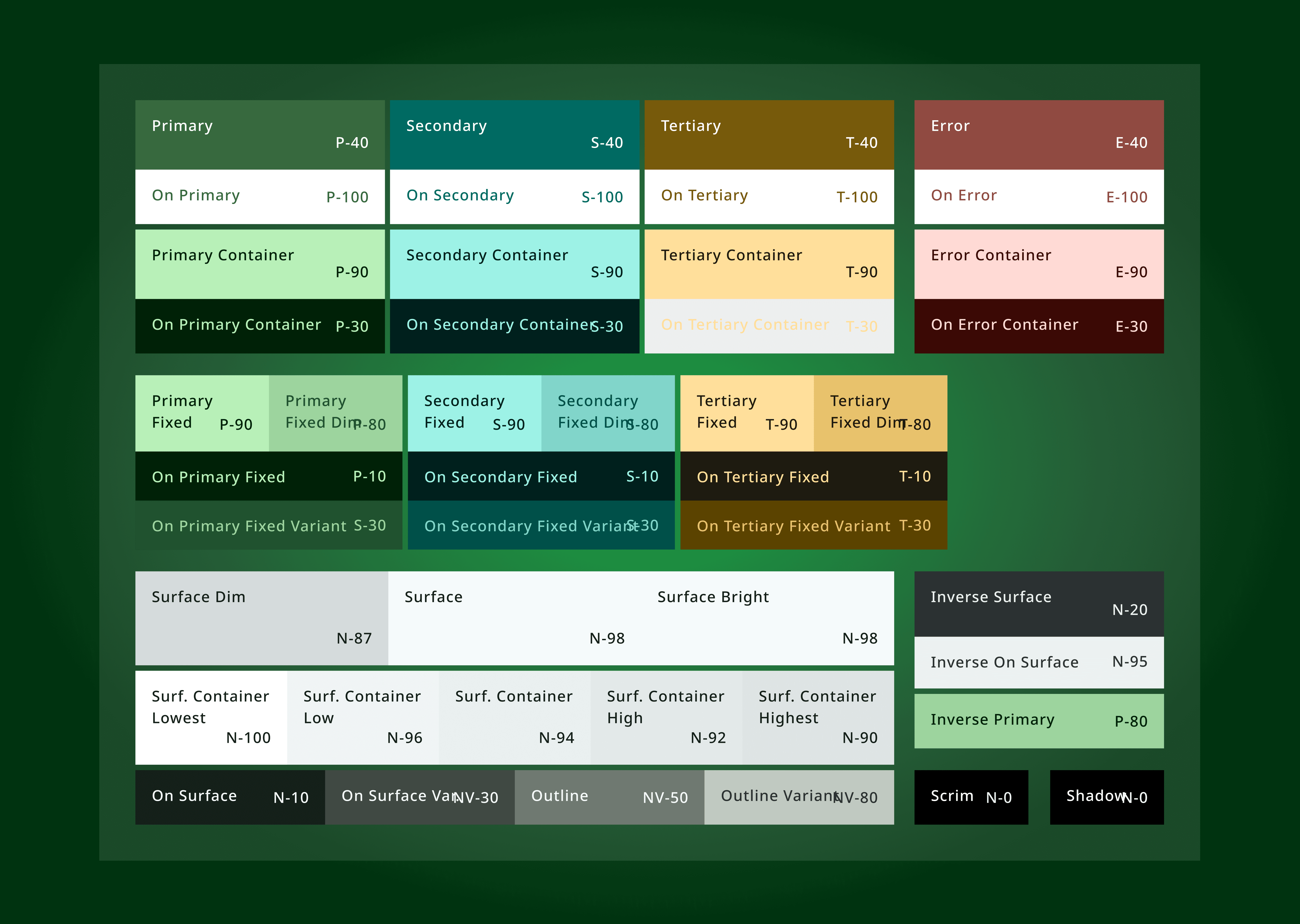
To achieve this, I grounded the entire experience in Material Design principles.
Why Material Design?
I chose Material Design as the design system foundation because it prioritizes:
Clear visual hierarchy
Predictable interaction patterns
Accessibility and readability
Scalable component-based layouts
For a sustainability-focused product, Material Design helps reduce cognitive load and ensures users can focus on meaning, not interface friction.
UX Strategy
The experience was structured around three UX principles:
Clarity over persuasion
Instead of selling sustainability, the design explains it.Progressive disclosure
Complex ideas like circular systems are broken into simple, linear steps.Trust through consistency
Consistent spacing, typography, and layout patterns reinforce reliability.
Information Architecture
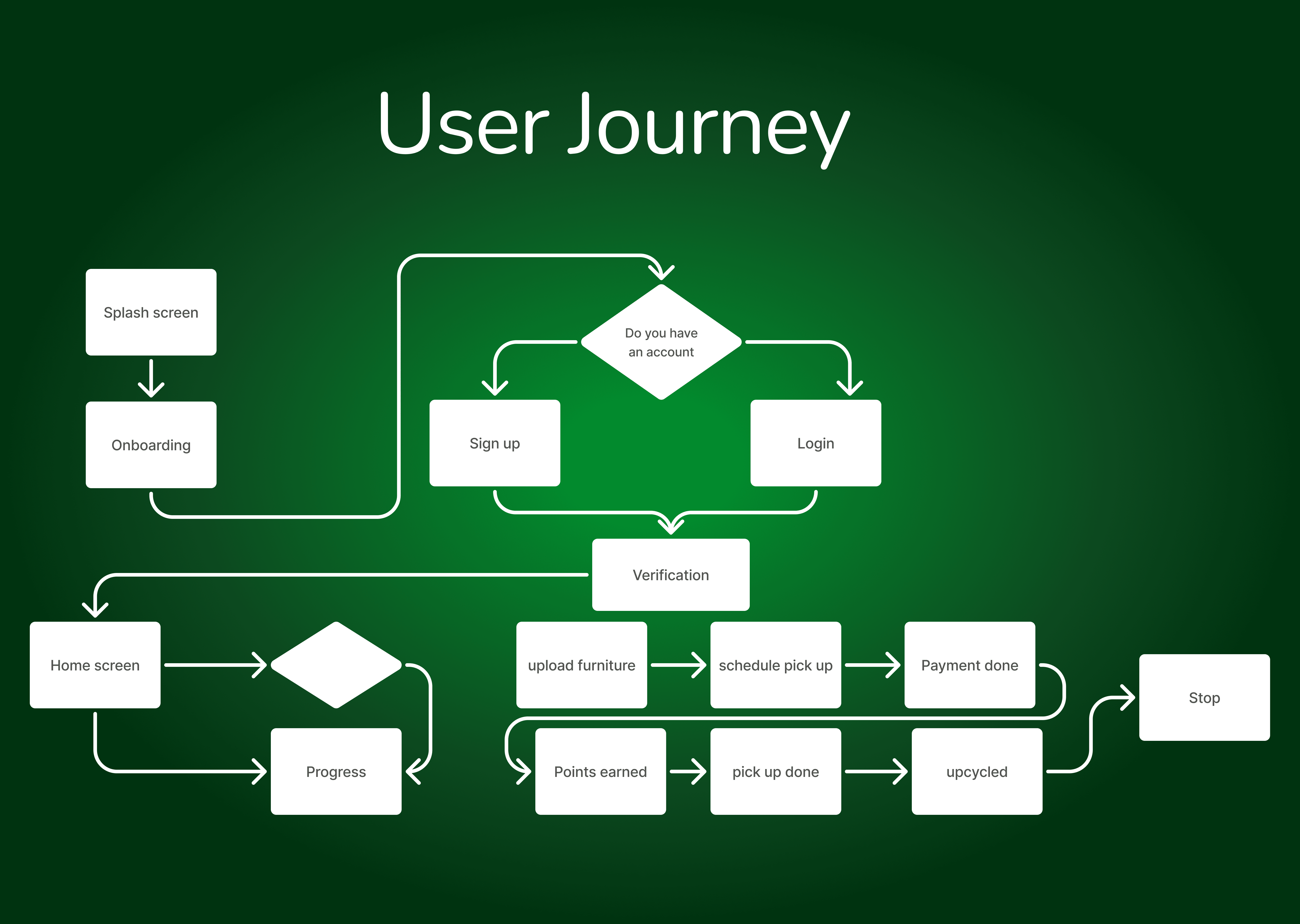
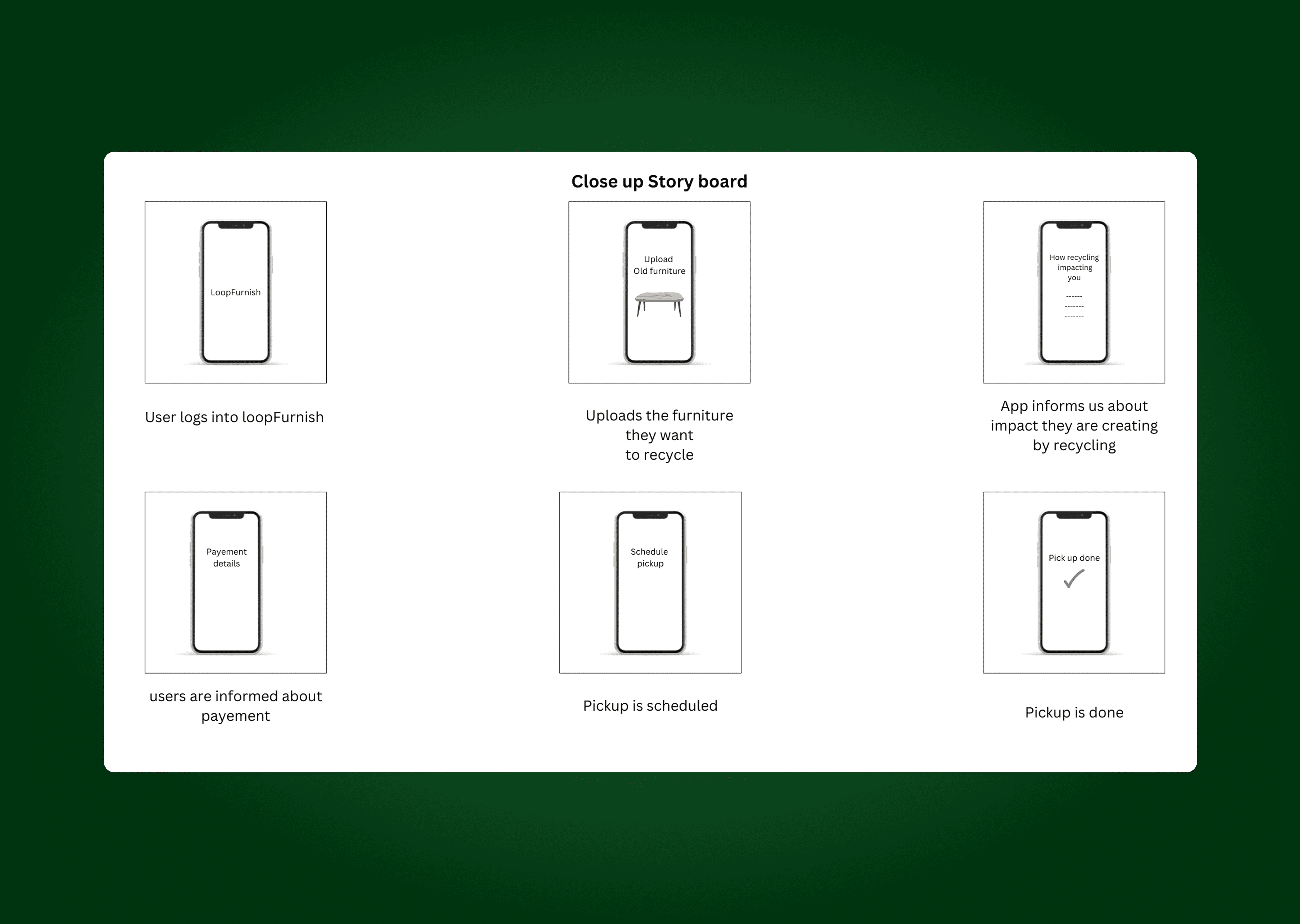
The content flow follows a deliberate narrative:
Brand introduction – What is Loop Furnish?
Context setting – Why furniture waste matters
System explanation – How the circular model works
Value proposition – Why this benefits users and the planet
Future vision – Long-term impact and scalability
This structure ensures users are never overwhelmed and always understand why each section exists.
Key UX Decisions
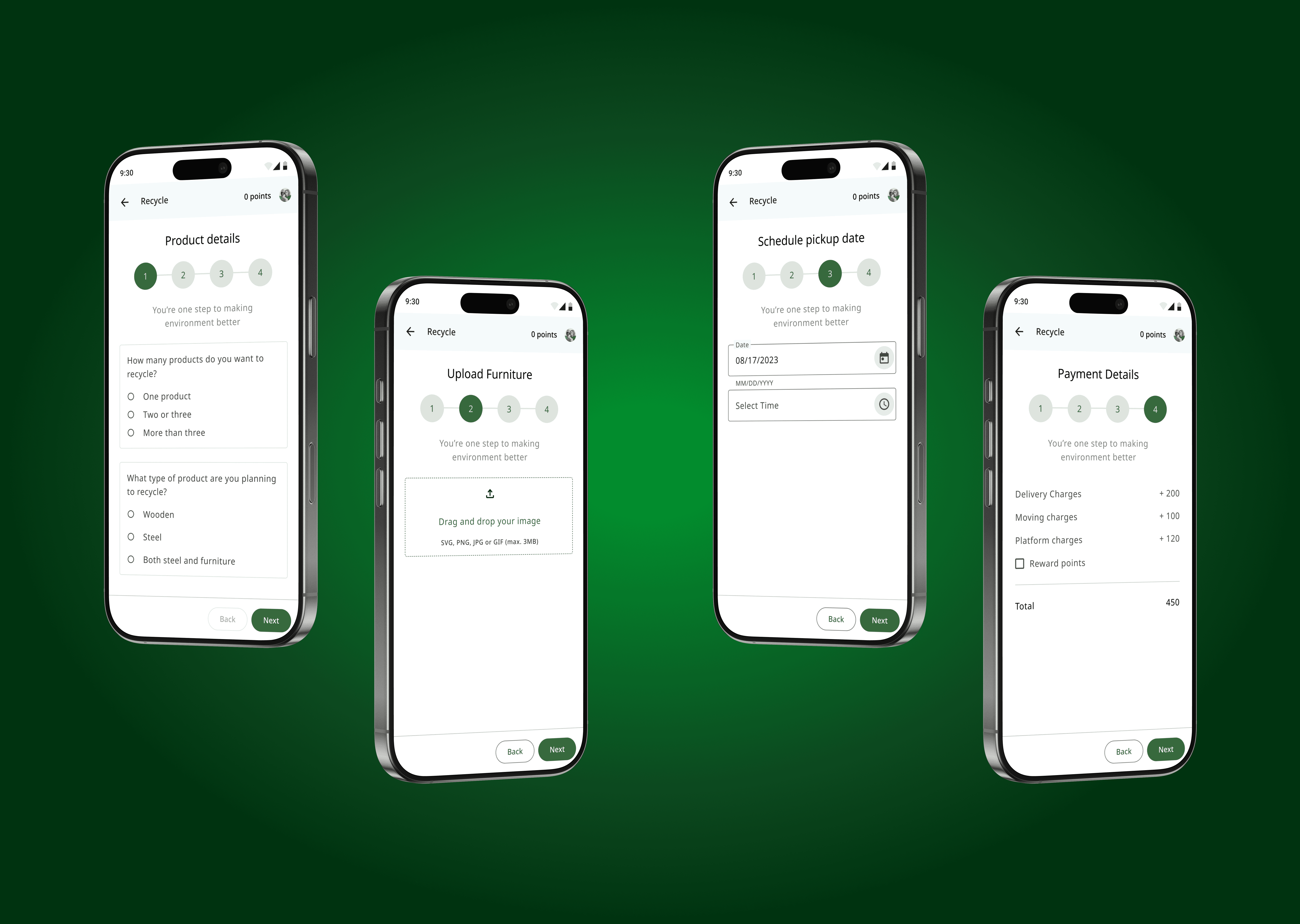
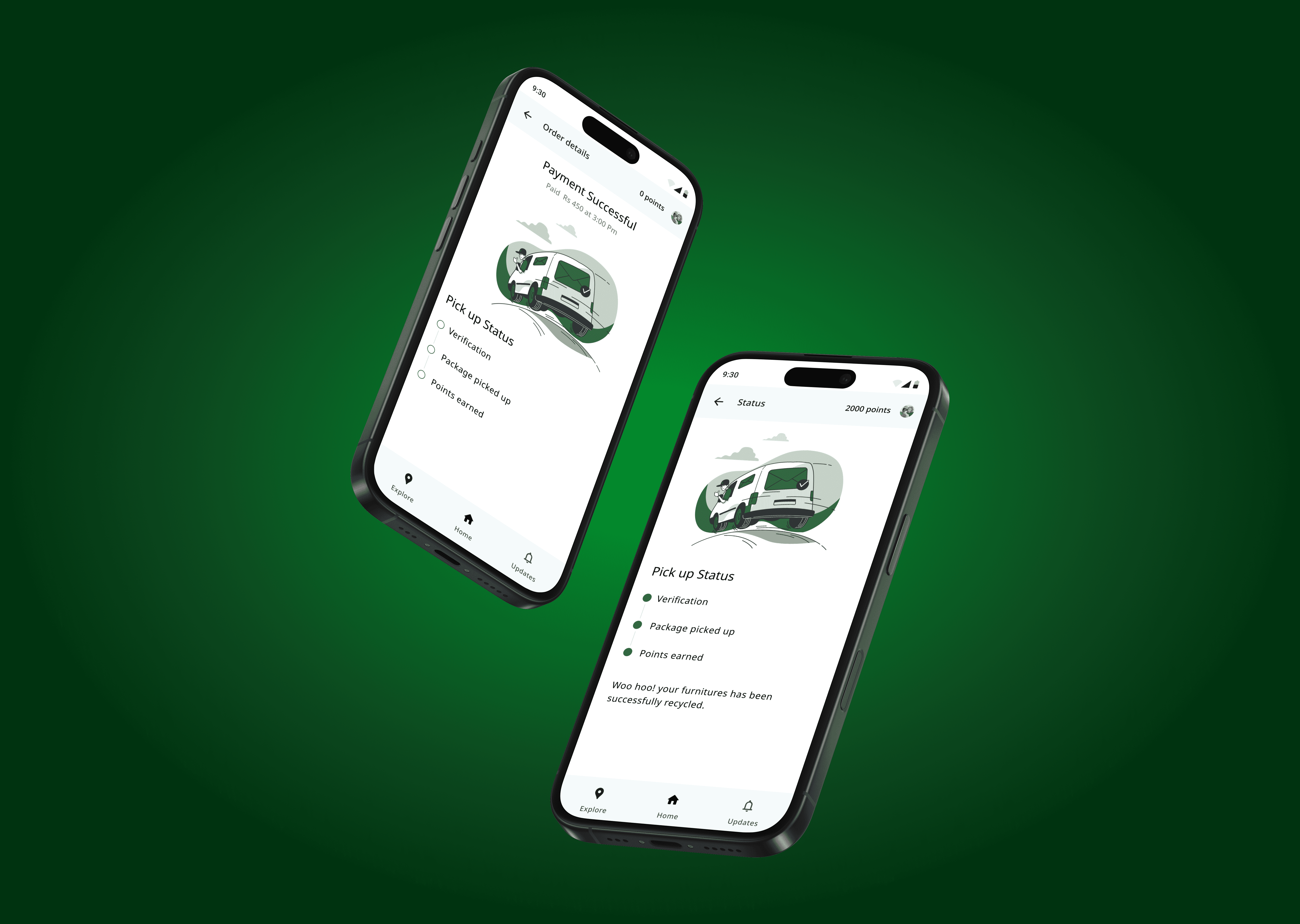
Circular lifecycle presented as a step-by-step timeline to match users’ mental models
Minimal copy with strong hierarchy to avoid sustainability jargon overload
Clean layouts to keep focus on the system, not decorative elements
Each design decision was made to reduce friction and increase comprehension.
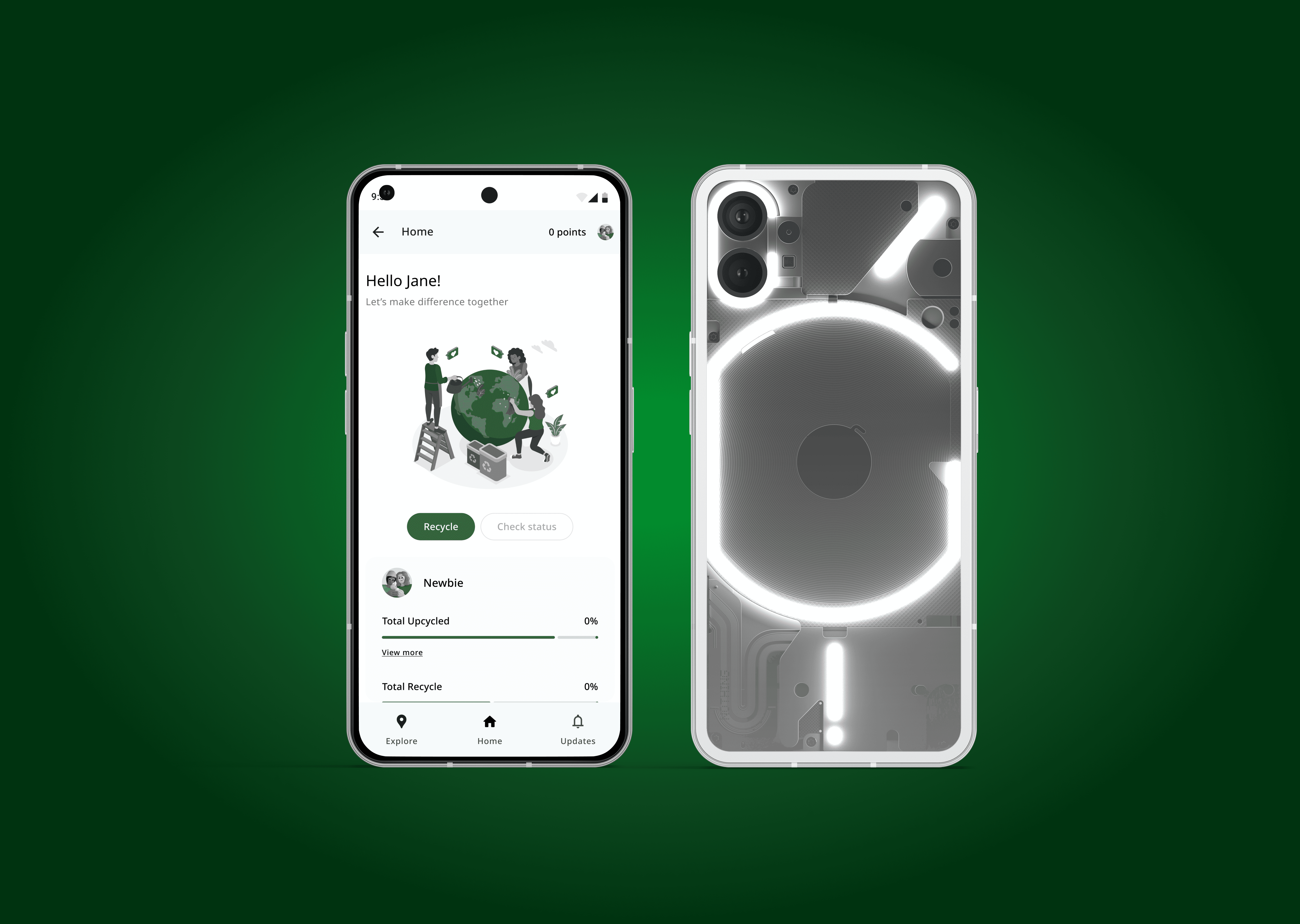
Visual & Interaction Design
Following Material Design guidelines:
Typography uses clear hierarchy to guide reading flow
Spacing and layout follow consistent grids to improve scanability
Color choices reinforce sustainability while maintaining contrast and accessibility
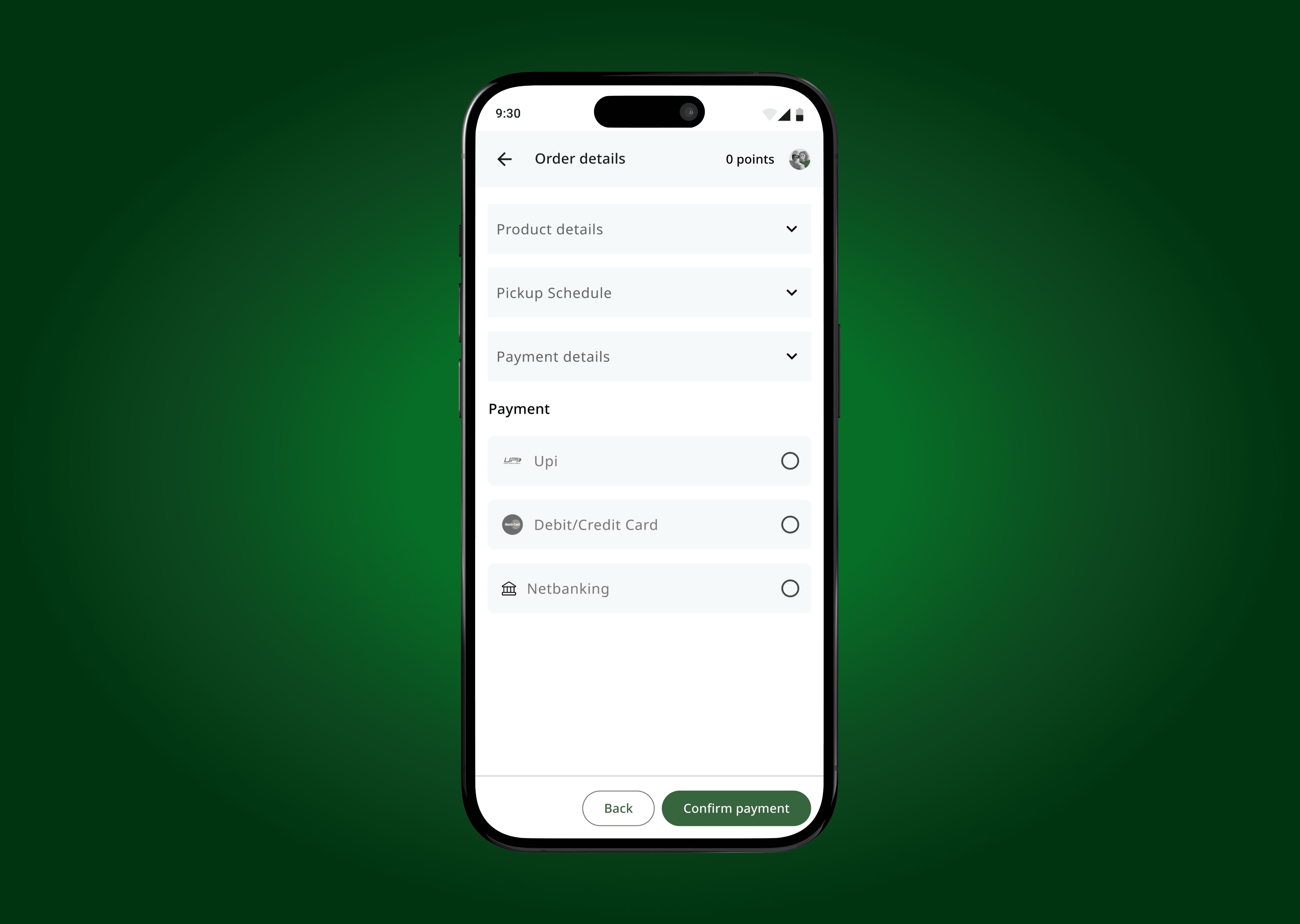
Cards and sections are used to group information logically
The interface feels calm, structured, and intentional — aligning with both Material Design and the brand’s eco-conscious identity.
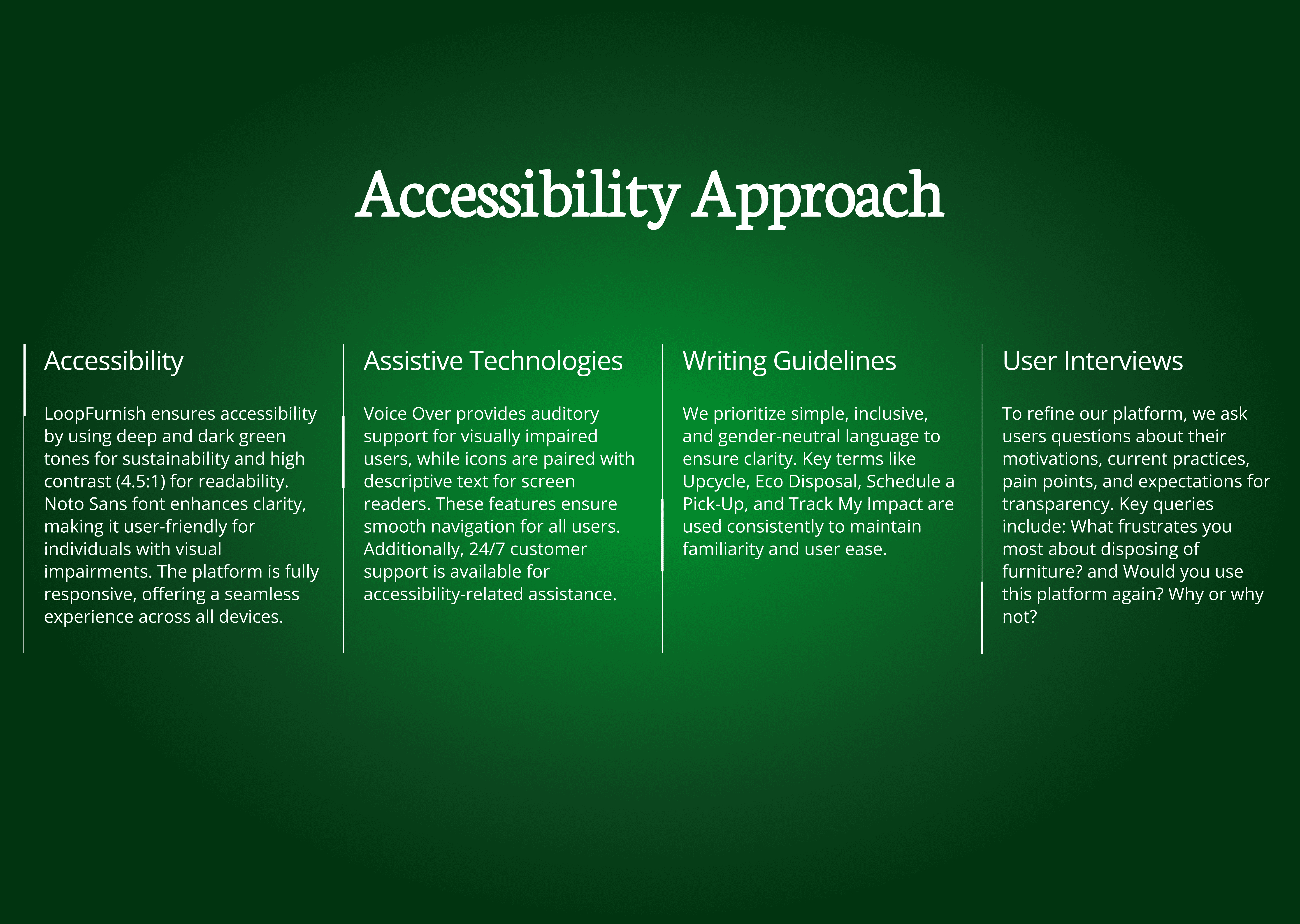
Accessibility Considerations
High-contrast text for readability
Simple language over technical terms
Predictable layouts for faster learning
Clear visual separation between section
These decisions ensure the experience is inclusive and usable across audiences
Outcome & Learnings
What worked well:
Users can quickly grasp how circular furniture works
Material Design structure improved clarity and consistency
The narrative flow makes sustainability feel achievable